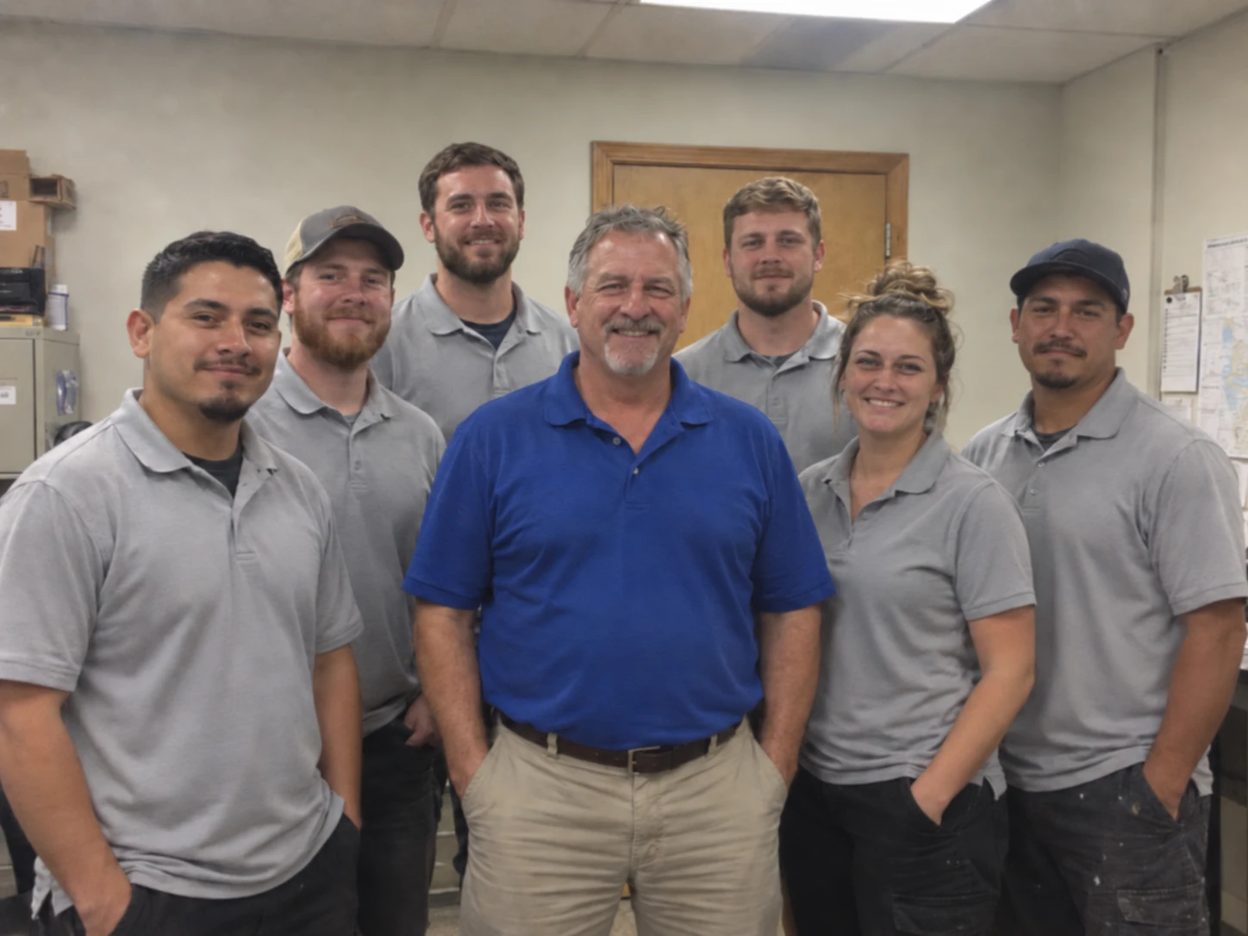
Most breakdowns are not really sudden. The run capacitor that quits on the first 95-degree afternoon was usually testing weak back in April. A pinhole leak bleeds the charge down over a whole season before the coil finally ices over. A flame sensor collects residue a little at a time until the furnace starts locking out on the worst possible night. In Lake Charles, we see this pattern constantly, and every step of it shows up on a meter well in advance. Catching it early turns an emergency call into a scheduled, inexpensive part swap.
None of that works without instruments, which is why Lake Charles HVAC does not do quick look-and-leave visits. In spring, we measure each capacitor in microfarads against its rating, compare compressor and condenser fan amp draws to the data plate, check refrigerant charge using superheat and subcooling, wash the outdoor coil, flush the condensate line, test the float switch, and measure the temperature split. In fall, we check igniter resistance, read flame signal in microamps, examine the heat exchanger, clean the burners, leak-test the gas connections with an instrument, confirm draft, measure temperature rise, and cycle every limit and safety switch. Both visits include the filter, thermostat calibration, and a check of all electrical connections.
The paperwork matters as much as the work. We record each reading and compare it against your previous visits, so a number that is starting to drift gets flagged long before it becomes a failure. The same record keeps efficiency in check, since low refrigerant, coil buildup, or a poorly set blower quietly adds to every bill between breakdowns. Documented visits also help with manufacturer warranties, most of which expect routine professional maintenance. If you want maintenance in Lake Charles that is based on real measurements, call (337) 434-8911 and get on the schedule before the season does.
Most of our service calls are for AC Repair in Lake Charles and Furnace Repair in Lake Charles. Start there if your system isn't running right.
Signs You Need HVAC Maintenance in Lake Charles
The sooner you notice these red flags, the easier and cheaper the problem is to resolve. Here are the most common indicators that it's time to call a professional:
- New noises when the equipment starts up
- The house taking longer to reach the temperature you set
- No real sense of how healthy your heating and cooling equipment is
- Your last professional tune-up was more than twelve months ago
- Filters you cannot remember changing, or a musty smell when the blower starts
- Recently installed equipment whose manufacturer expects maintenance records
- A surprise breakdown during the last hot or cold spell
- Utility bills rising even though nothing about your routine changed
Don't Wait for a Total Failure
A failing capacitor, clogged condensate drain, or dirty flame sensor rarely fixes itself and usually gets more expensive to address the longer it runs. At the first hint of a problem, reach out to Lake Charles HVAC at (337) 434-8911 for a fast inspection.
HVAC Maintenance Issues? We Can Help.
Our experienced technicians are standing by to help.
Call (337) 434-8911 TodayYour HVAC Maintenance Questions Answered
The Benefits of Professional HVAC Maintenance
Homeowner maintenance is useful but limited: filters changed on schedule, the outdoor coil kept clear, registers open, drains glanced at. Everything else requires instruments, because the failures that strand you do not announce themselves visually. A capacitor at 80 percent of rating looks exactly like a healthy one; only a meter can tell. A charge that drifted low reads only in superheat and subcooling. A heat exchanger crack, a lazy flame signal, a pressure switch on the edge, an amp draw creeping toward the breaker's limit: every one of these is invisible until it is measured, and every one is cheaper the season before it fails.
The gas side is about more than money. Burners, flame proving, venting, and draft need annual instrumented verification because the failure mode is not just a cold house, it is combustion products where they do not belong. Our experienced technicians run the safety checks as the core of every fall visit, not an upsell. And because we record readings against your system's history, maintenance with Lake Charles HVAC compounds: over the years, the trend lines tell us which parts are aging and which have seasons left, so your money goes to the component that is actually drifting, on your schedule, at the planned price instead of the emergency one.
How Our HVAC Maintenance Works
We follow a proven process to ensure every repair and installation is completed to the highest standards. Here's how we handle HVAC maintenance from start to finish:
Pre-Summer Cooling Visit
Each spring, we test capacitors, compare amp draws to the data plate, check charge by superheat and subcooling, wash the condenser coil, and flush the drain and test the float switch.
Fall Furnace Checkup
Igniter and flame signal tested, heat exchanger inspected, burners cleaned, gas connections tested for leaks, draft verified, and temperature rise measured against the data plate.
Readings Compared & Flagged
We record each reading and compare it to past visits. That is how a capacitor losing strength or a charge creeping low shows up as a trend long before it strands you.
Plain-Language Report
Before we leave, you get a clear report in plain language. Healthy parts are noted, drifting ones are flagged, and replacements are scheduled on your terms, never pushed with false urgency.
How to Prevent HVAC Maintenance Problems
Smart maintenance is almost always cheaper and easier than an early replacement. Here are our expert recommendations:
- Swap the filter every one to three months, the most valuable habit a homeowner can build
- Book spring and fall visits in the shoulder seasons, before the rush and before the extremes
- Resist closing vents in spare rooms; the system is designed with all registers open
- Check carbon monoxide alarms monthly in any home with fuel-burning appliances
- Pay attention to new noises or longer cycles and mention them at your next visit
- Keep the outdoor unit clear of vegetation and rinse the coil gently each spring
- Clear the condensate drain early in cooling season, before algae has a chance to grow
DIY vs. Professional HVAC Maintenance
While some minor tasks like changing filters or checking a thermostat can be handled by homeowners, most HVAC work involves refrigerant, gas combustion, and high-voltage electricity, jobs that call for professional expertise. Here's a comparison:
| Factor | DIY Attempt | Professional Service |
|---|---|---|
| Run Capacitors | Seem healthy until the day they quit | Metered in microfarads against rating |
| Refrigerant Charge | No way to know it is drifting | Superheat and subcooling readings every spring |
| Combustion | No way to test draft or flame signal | Instrumented checks of flame, draft, and heat exchanger |
| Trend Data | No baseline to compare against | Drift spotted as a trend |
| Timing | Breakdowns on the hottest or coldest day | Aging parts replaced on your schedule |
| Documentation | No proof of upkeep | A dated record of every visit |
Get HVAC Maintenance Help Today
Get your comfort back before a small fault becomes a full breakdown. Lake Charles HVAC is ready to respond fast.
Call (337) 434-8911 TodayHVAC Maintenance Near Lake Charles
We bring HVAC maintenance to homes and businesses in town and across the nearby communities. Pick your area to see local details.